Lean Construction Resources
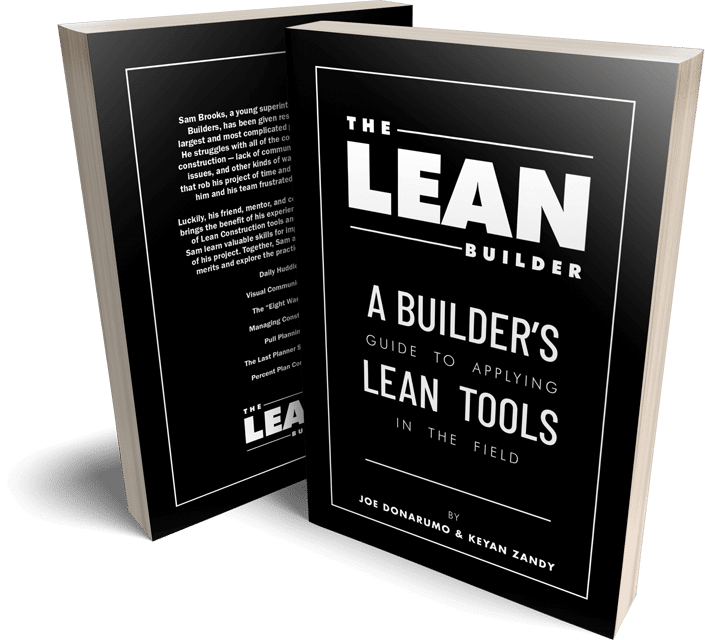
Successful Lean construction is built on more than a single tool or methodology. It is a continuous commitment to improving communication, planning, collaboration, and project execution from the field to the office. At The Lean Builder, we have developed a growing library of practical resources to help construction professionals understand and implement Lean construction principles on projects of every size.
Whether you’re just beginning your Lean journey or looking to strengthen an established Lean culture, the resources below provide practical guidance drawn from real-world construction experience.
Last Planner System®
The Last Planner System® is one of the most effective production planning systems available for construction teams. Rather than relying solely on top-down scheduling, Last Planner encourages collaboration among the people performing the work, creating more reliable commitments, improving workflow, and increasing schedule predictability. Learn how this proven system helps project teams improve planning while reducing delays and uncertainty.
Daily Huddles
Effective Daily Huddles keep crews aligned, identify obstacles before they become problems, and improve communication across the jobsite. Short, focused meetings help teams coordinate activities, discuss safety, review production goals, and ensure everyone understands the day’s priorities. Consistent daily communication is one of the simplest ways to strengthen Lean construction practices.
Pull Planning
Unlike traditional scheduling methods, Pull Planning begins with the desired project outcome and works backward to identify the activities necessary to achieve it. This collaborative planning process encourages trade partners to coordinate their work, reduce unnecessary waiting, and create more reliable schedules that improve project flow and accountability.
Visual Communication
Clear Visual Communication helps everyone on a project quickly understand priorities, production status, safety concerns, and workflow. From visual planning boards to performance metrics and constraint tracking, effective visual management reduces confusion and supports better decision-making throughout every phase of construction.
Eight Wastes
One of the core Lean construction principles is identifying and eliminating the Eight Wastes that reduce productivity and create unnecessary cost. Waiting, excess transportation, overproduction, unnecessary motion, defects, excess inventory, overprocessing, and underutilized talent all limit project performance. Understanding these common sources of waste allows teams to focus on delivering greater value to owners while improving efficiency across the project.
Constraint Management
Successful projects proactively identify and remove obstacles before they impact production. Constraint Management helps project teams recognize issues involving materials, labor, permits, information, equipment, and other dependencies before scheduled work begins. Removing constraints early allows crews to maintain reliable workflow and avoid costly disruptions.
Root Cause Analysis
When problems occur, Lean construction focuses on understanding why they happened instead of simply treating the symptoms. Root Cause Analysis helps project teams uncover the underlying causes of recurring issues, allowing organizations to develop lasting solutions that improve quality, reduce rework, and support a culture of continuous improvement.
Whether you’re exploring Lean construction for the first time or expanding an existing Lean program, The Lean Builder’s collection of books, podcasts, videos, articles, and educational resources is designed to help construction professionals build stronger teams, improve project outcomes, and create lasting operational excellence through proven Lean construction principles.